
Reading the landscape: field boundaries and old hedgerows
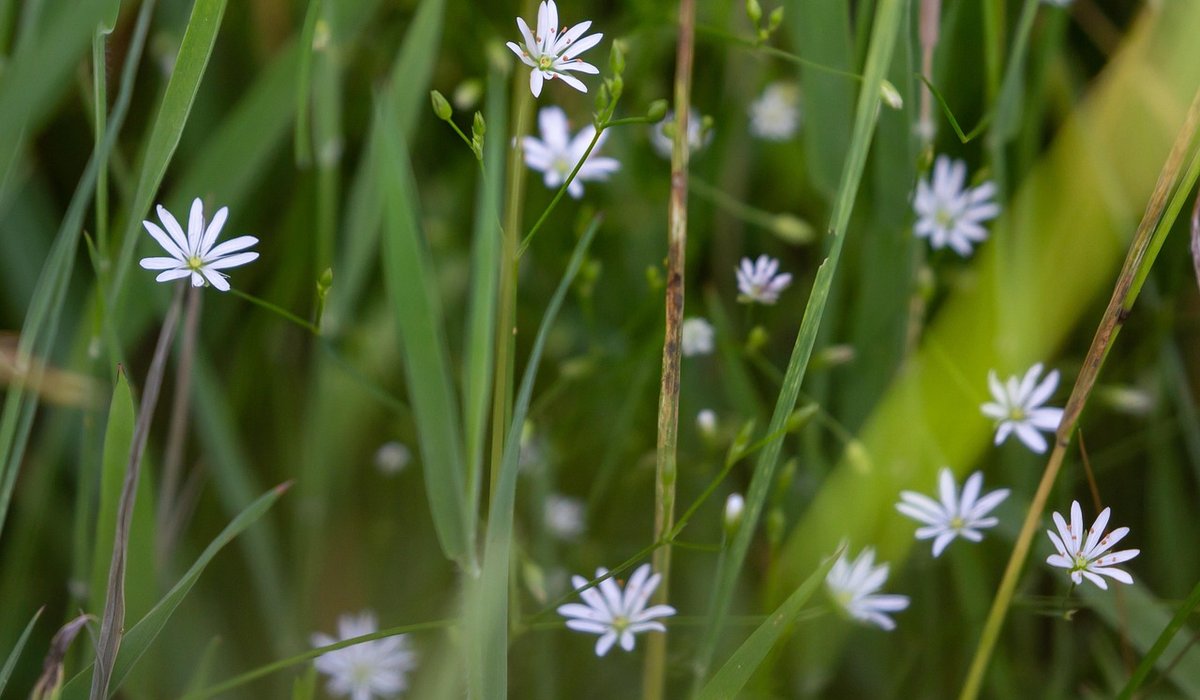
Elderflowers: the hedgerow's early summer gift
There is a fortnight in late May and early June when the country lanes of Britain smell faintly of muscat and lemon. The elder (Sambucus nigra) has come into flower, and its creamy-white heads hang over the hedges like lace parasols. For foragers, this is one of the most rewarding windows of the year: brief, generous, and almost impossible to miss once you know what you are looking for. The flowers arrive before the berries, and they are far more forgiving in the kitchen. Get them at their peak and you can make a cordial that tastes like bottled sunshine, or fold them into cakes and fritters that will ruin shop-bought versions for you forever.
How to identify elder with confidence
Elder is a scruffy, opportunistic shrub or small tree, common along lanes, field edges, railway cuttings and waste ground. It rarely grows alone; look for it in loose colonies. The leaves are opposite and pinnate, meaning each leaf is made up of five to seven oval leaflets with serrated edges and a slightly unpleasant smell when crushed. The bark is grey-brown, deeply furrowed on older wood, and often dotted with lenticels on younger stems. Cut a twig and you will find a soft, white, pithy core — a useful confirmation.
The flowers are the giveaway. They form flat, plate-like umbels, usually 10–20cm across, made up of hundreds of tiny, five-petalled cream-white blossoms. Each flower is small, star-shaped, and sits in a dense, slightly domed cluster. The whole head should smell sweet, floral and faintly citrusy. If the scent reminds you of anything unpleasant, you have the wrong plant.
A word of caution: do not confuse elder with other white-flowered umbellifers such as cow parsley, hogweed or the deadly hemlock. Elder flowers grow in woody shrubs with opposite leaves, while the dangerous umbellifers are herbaceous and usually have fern-like, alternate foliage. Hemlock has purple-spotted stems and a foul, mousey smell — if in doubt, walk on. Never pick from a plant you cannot identify with total certainty.
Where and when to pick
Elderflowers are at their best on a dry, sunny morning, after the dew has lifted but before the heat of the day. Pick only the fully open heads, where the individual flowers are flat and the pollen is visible. Avoid tight green buds, brown or wilting heads, and anything past its best. The season runs roughly from late May in the south to early July in Scotland, though a warm spring can shift things by a week or two.
Country lanes are ideal because the plants are often abundant and easy to reach from the verge. But do think about what is growing nearby. Avoid picking from busy roadside verges where exhaust fumes, herbicide spraying or dog walkers are a factor. Choose hedgerows well away from main roads, livestock fields and any land that looks managed with chemicals. Churchyards, quiet footpaths and the edges of old orchards are often excellent.
Picking sustainably and kindly
Elder is generous, but it is not infinite. The flowers feed bees, hoverflies and later become berries for birds. Take a little from many plants rather than stripping one bush bare. A useful rule is to take no more than one head in three, and leave the central, most vigorous growth alone.
- Use scissors or snips rather than pulling, and cut the stem just below the flower head.
- Carry your haul in a flat basket or a breathable bag so the heads do not crush or sweat.
- Shake each head gently over the bush to dislodge insects before you put it in your basket.
- Leave plenty behind for wildlife, and never dig up plants or take from protected sites.
- Check the law: picking flowers from wild plants is generally allowed for personal use, but uprooting is not, and landowner permission is always needed on private ground.
Once home, spread the heads on a tray and use them the same day. The scent fades fast, and so does the flavour.
Preparing elderflowers for the kitchen
The key to good elderflower cooking is removing the flowers from the green stems, which are mildly toxic and bitter. Hold a head by the main stalk and run a fork gently downwards through the florets; they will fall away cleanly. You will lose a little pollen, which is the source of much of the flavour, so be gentle. A few tiny green stalks in the mix are harmless, but avoid the thick main stems entirely.
You will need far more heads than you think. Roughly 15–20 large heads make about a litre of cordial, and a good handful will flavour a sponge cake. If you are not using them immediately, freeze the stripped florets in a bag; they keep well for several months and drop straight into recipes.
Cordial, cakes and other simple uses
Elderflower cordial is the classic, and it is almost embarrassingly easy. Pour 1.5 litres of boiling water over 20 flower heads, 1kg of sugar, the zest and juice of two lemons, and 50g of citric acid. Stir, cover, and leave for 24–48 hours, stirring occasionally. Strain through muslin, bottle, and keep in the fridge. Diluted with sparkling water and a slice of lemon, it is the taste of an English summer.
The flowers also shine in baking. Dip whole heads in a light batter and fry them into fritters, dusted with sugar. Add stripped florets to a plain sponge, a syllabub, or a gooseberry fool. Infuse them in cream or milk for ice cream and panna cotta. A few heads steeped in gin or vodka make a delicate liqueur for winter.
Forage responsibly, pick with the bees in mind, and you will find that the humble elder rewards you all summer long.
LEAVE A COMMENT