
Planning a gentle circular walk through ancient woodland
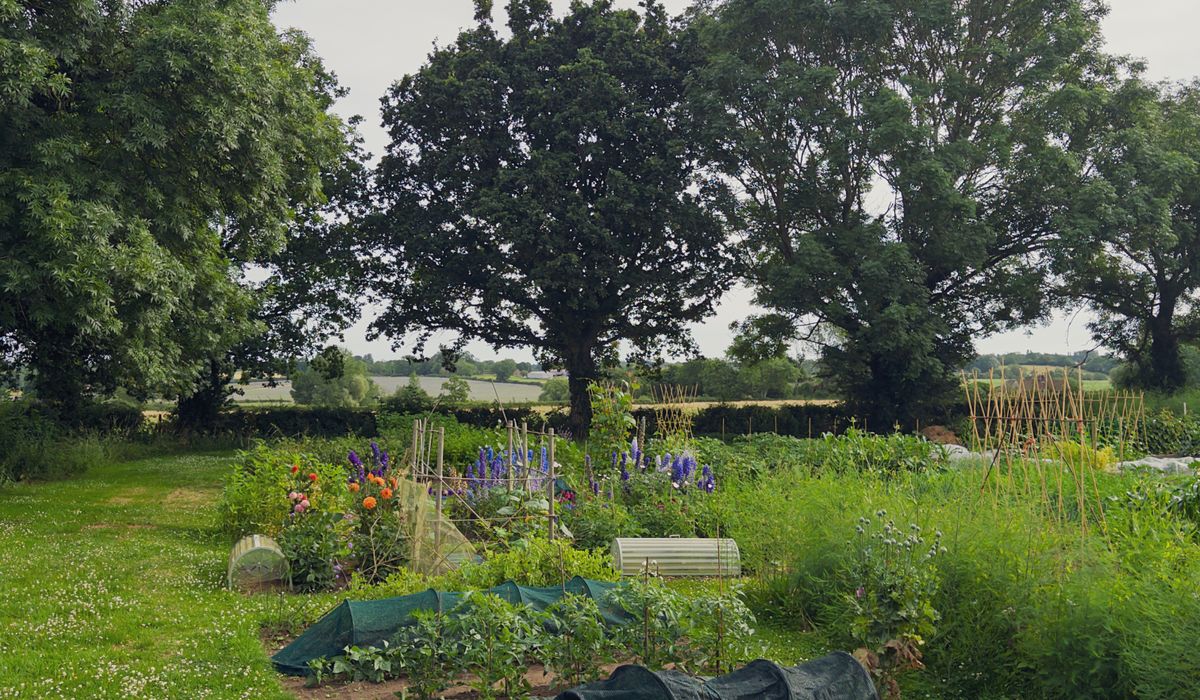
Why a native border earns its space
There is something quietly satisfying about a strip of British wildflowers where a neat row of bedding plants might have stood. A border a metre wide and three or four metres long can hum with bees by June, and once it is established it asks far less of you than a traditional herbaceous bed. Native plants are adapted to our rainfall, our soils and our insects, so they tend to settle in and look after themselves.
Size is not the issue. What matters is light, drainage and, above all, how much fertility is left in the ground.
First, take the richness out of the soil
Most garden soil is far too rich for wildflowers. Give them manure or compost and you will grow magnificent grass and very few flowers. If your border was once lawn or a vegetable patch, the nutrient levels need to come down before you sow anything.
The quickest route is to skim off the turf and about five to ten centimetres of topsoil, stacking it somewhere out of the way for use elsewhere. Then leave the ground rough over winter so frost can break it down.
- Do not dig in compost, manure or fertiliser of any kind.
- Clear perennial weeds thoroughly — couch grass, ground elder, docks and bindweed will all outcompete young wildflowers.
- If you cannot remove soil, sow yellow rattle. This semi-parasitic annual weakens grasses and is the single most useful plant in a small meadow.
- Work in autumn where you can, and firm the ground before sowing so seeds do not sink into air pockets.
Choosing seeds for your soil and light
Match the mix to the spot. A sunny border on light, sandy soil will suit field scabious, common knapweed, birds-foot trefoil and oxeye daisy. Heavier clay that stays damp favours betony, selfheal, red clover and cowslip. Yarrow and common sorrel are tolerant of most conditions.
In a small border you can often skip grasses altogether, or include just a little sheep's fescue or crested dog's-tail at a low rate. Avoid mixes containing agricultural ryegrass, which will swamp everything else within a season.
Look for seed of British origin, ideally from a supplier who can tell you the county or region it was collected in. Imported mixes may contain plants that flower at the wrong time or fail in our climate. For first-year colour while perennials establish, add a few cornfield annuals — cornflower, corn marigold and corn poppy. Handle corncockle with care, as the seed is toxic, and keep it away from small children and pets.
Sowing well and waiting
Early autumn is the best time to sow, from mid-September through October. The soil is still warm, rain does the watering for you, and yellow rattle must go in now because it needs a cold spell to germinate. Spring sowing from March to April works too, but you will need to water regularly.
Prepare a fine, firm tilth with a rake. Wildflower seed is tiny, so mix it with a handful of dry sand or plain compost so you can see where it lands. A flower-only mix goes on at roughly one to two grams per square metre, so a four-square-metre border needs only a few grams — read the packet and err on the thin side rather than thick.
Scatter in two passes, one across and one along, then tread the seed in or roll it lightly. Do not bury it; many species need light to germinate. Water gently in dry spells for the first six to eight weeks.
Expect a slow start. Most perennials spend their first year building roots and will barely flower. The real show begins in the second summer and improves from there.
The cutting regime that makes or breaks it
How you mow matters more than anything else you do. Let the border flower from late May or June onwards, then cut once in late July or August, after most plants have set seed. Leave a few seedheads standing for the birds.
- Cut to about five to seven centimetres with shears or a strimmer on a high setting.
- Rake off every cutting. Left on the ground, they feed the soil and encourage coarser grasses.
- Take a second cut in late September or October, again removing the debris.
- Keep it short over winter, or leave one small patch long for overwintering insects.
- Never cut between April and July, or you will lose the flowers and the nectar with them.
Cornfield annuals need the opposite treatment: let them shed seed, then lightly disturb the soil in autumn to trigger a fresh generation.
Small troubles, simple answers
Grass creeping back is the commonest complaint. Sow more yellow rattle, cut a little more often, and keep removing the clippings. Few flowers in the first year is entirely normal, not a failure. Slugs will nibble seedlings but rarely destroy a border, so resist the urge to intervene heavily.
Hand-weed docks, thistles and bindweed before they seed, and never be tempted to feed the patch. Half the pleasure of a wildflower border is watching it change from year to year, learning what your particular soil wants to grow. Give it three summers, and you will have something far livelier than any bedding display.
LEAVE A COMMENT